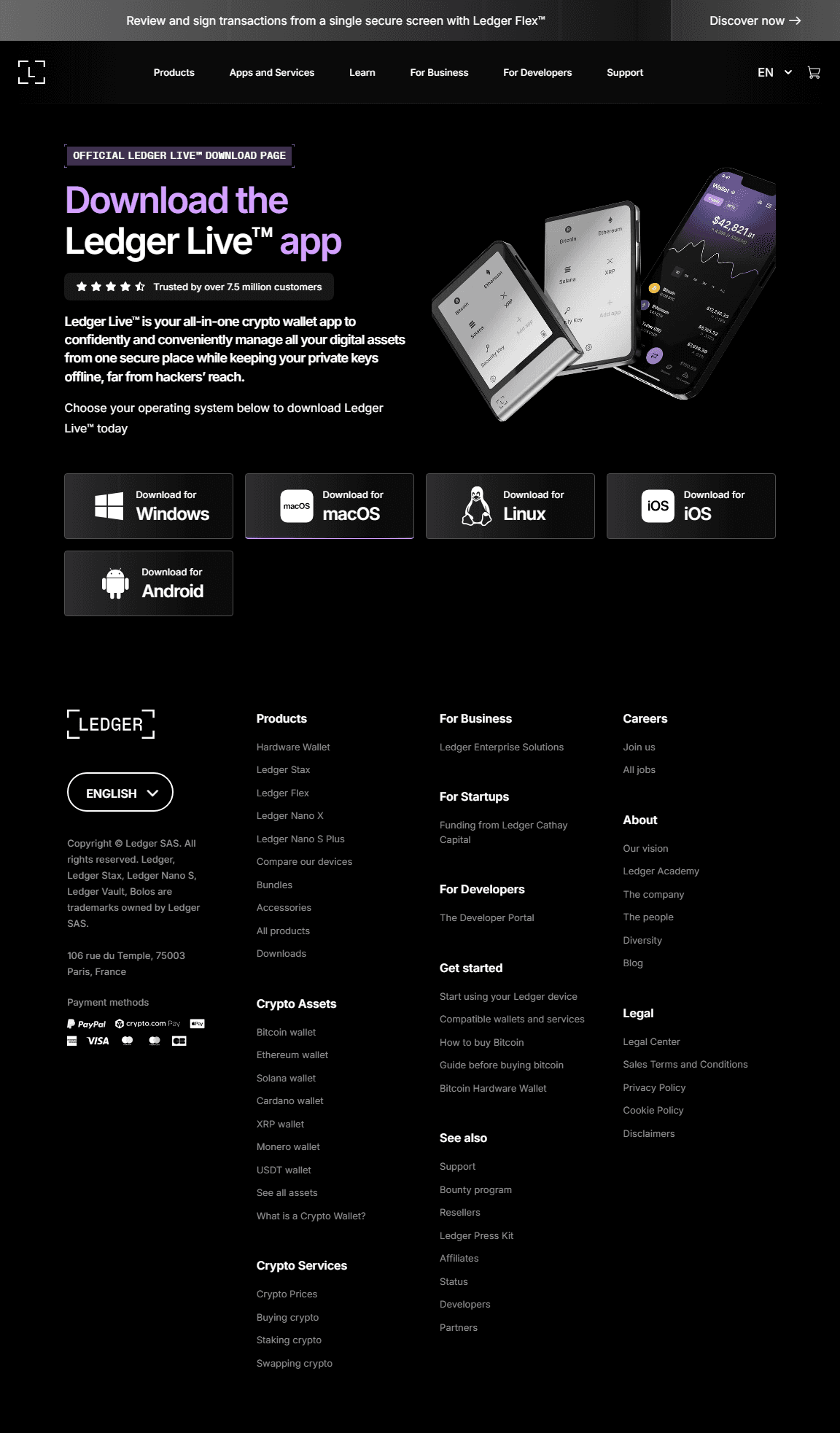
Ledger Live Login: A Complete Guide to Accessing and Securing Your Cryptocurrency Wallet
In the rapidly evolving world of cryptocurrencies, managing digital assets securely and efficiently is essential. Ledger Live, the desktop and mobile application developed by Ledger, is one of the most trusted platforms for accessing and managing cryptocurrency holdings. Its integration with Ledger hardware wallets ensures that your private keys remain secure while giving you easy access to your portfolio. Logging into Ledger Live is a critical first step for accessing your funds, performing transactions, and managing multiple cryptocurrencies. This guide explores the Ledger Live login process, its security features, troubleshooting steps, and best practices for protecting your assets.
What Is Ledger Live?
Ledger Live is a software application designed to work with Ledger hardware wallets such as the Ledger Nano S and Ledger Nano X. It allows users to send, receive, stake, and exchange cryptocurrencies while keeping private keys offline. By connecting a Ledger hardware device to Ledger Live, users can securely manage hundreds of cryptocurrencies in a single interface.
Ledger Live also provides a portfolio overview, real-time market data, and staking options, making it a comprehensive platform for both beginners and advanced cryptocurrency users. Logging into Ledger Live requires both your hardware wallet and secure authentication, ensuring that your digital assets remain protected.
Why Ledger Live Login Is Important
The login process is more than just accessing your application. It is the gateway to your funds, and how you manage access has a direct impact on security. A proper login ensures:
Security of Private Keys: Ledger Live does not store private keys on your computer or mobile device. By logging in using your hardware wallet, your keys remain safely offline.
Access to Multiple Accounts: Ledger Live allows you to manage multiple cryptocurrency accounts from a single interface.
Portfolio Management: Login is required to monitor balances, staking rewards, and market performance.
Secure Transactions: Sending and receiving funds require confirmation through your hardware wallet during login and session verification.
Ledger Live Login Process
Logging into Ledger Live involves connecting your Ledger hardware wallet and verifying your identity. Here is a step-by-step guide:
Install Ledger Live
Before logging in, you need to install the Ledger Live application on your desktop or mobile device. Make sure to download it from official sources to avoid malware or phishing attempts.
Connect Your Hardware Wallet
Use a USB cable (or Bluetooth for supported devices) to connect your Ledger Nano S or Nano X to your device. Ensure the hardware wallet is powered on and ready for interaction.
Open Ledger Live
Launch the Ledger Live application. If this is your first time, you may need to set up a new account or recover an existing wallet using your recovery phrase.
Authenticate Using the Device
Ledger Live requires you to confirm your identity through the hardware wallet. Enter your PIN on the device and, if prompted, verify the session. This step ensures that only you can authorize access.
Access Your Accounts
Once authenticated, Ledger Live will display your cryptocurrency accounts and balances. From here, you can view your portfolio, send or receive funds, stake assets, or access the integrated exchange.
Security Features During Login
Ledger Live login is designed with multiple layers of security to protect your cryptocurrency:
PIN Verification
Your Ledger hardware wallet is protected by a PIN. Even if someone has physical access to the device, they cannot log in without the correct PIN.
Offline Private Keys
Your private keys never leave the Ledger device. Logging into Ledger Live simply allows the software to read balances and create unsigned transactions, which are later signed on the device itself.
Recovery Phrase Protection
If you lose access to your Ledger device, your 24-word recovery phrase can restore the wallet. Ledger Live will prompt you for setup but never asks you to enter the recovery phrase directly into the software, keeping it safe from potential malware.
Session Verification
Each login session requires confirmation on your hardware wallet before any transaction is processed. This prevents unauthorized access and ensures that every action is deliberate.
Troubleshooting Ledger Live Login Issues
Despite its simplicity, users may encounter login issues. Common problems include:
Device Not Recognized
If Ledger Live does not detect your hardware wallet:
Ensure the USB cable or Bluetooth connection is functional.
Restart the Ledger device and computer or mobile device.
Try connecting to a different USB port or device.
Incorrect PIN
Multiple incorrect PIN attempts can lock your device temporarily. Follow the instructions provided by Ledger to regain access. If the device is permanently locked, you can restore access using your recovery phrase.
Ledger Live Software Issues
Occasionally, Ledger Live may fail to launch or log in due to outdated software. Ensure you have the latest version installed and consider reinstalling the application if problems persist.
System Compatibility
Ensure your desktop or mobile device meets the system requirements for Ledger Live. Outdated operating systems may cause login issues.
Best Practices for Secure Ledger Live Login
Always Use Official Software: Only download Ledger Live from trusted sources to avoid phishing scams.
Protect Your PIN: Never share your Ledger PIN with anyone.
Keep Recovery Phrase Offline: Store your recovery phrase securely and never enter it into a computer or mobile device.
Verify Device Connection: Confirm your hardware wallet is authentic and not compromised.
Use Secure Networks: Avoid logging in on public Wi-Fi networks to prevent interception of sensitive data.
Regularly Update Firmware and Software: Keeping Ledger Live and your hardware wallet firmware up to date ensures security and functionality.
Logging In on Mobile Devices
Ledger Live is also available on iOS and Android devices, offering similar functionality to the desktop version. Mobile login involves:
Installing the Mobile App: Download the app from official sources.
Connecting the Ledger Device via Bluetooth: Supported devices like Nano X can connect wirelessly.
PIN Authentication: Enter your device PIN to authorize the session.
Access Accounts: View balances, send or receive funds, and stake cryptocurrencies on the go.
Mobile login combines convenience with the same security features provided by the desktop version, making it easy to manage cryptocurrencies anytime.
Importance of a Secure Login Process
The login process in Ledger Live is critical because it forms the first line of defense against unauthorized access. A compromised login could result in theft of funds or unauthorized transactions. By requiring device authentication, PIN verification, and offline key management, Ledger Live ensures that your cryptocurrency remains protected from online threats.
Conclusion
Ledger Live login is a crucial step in accessing and managing your cryptocurrency portfolio. By connecting your Ledger hardware wallet, verifying your identity, and following secure login practices, you can safely manage hundreds of digital assets from a single interface. Ledger Live combines convenience, functionality, and security, providing users with the tools they need to send, receive, stake, and exchange cryptocurrencies.
Understanding the login process, knowing how to troubleshoot issues, and following best practices for security are essential for anyone using Ledger Live. Whether you are accessing your portfolio on desktop or mobile, Ledger Live ensures that private keys remain offline and transactions are secure, giving you peace of mind in the dynamic world of cryptocurrencies.
With Ledger Live, logging in is more than just entering a password; it is a secure gateway to managing your digital assets responsibly and confidently.